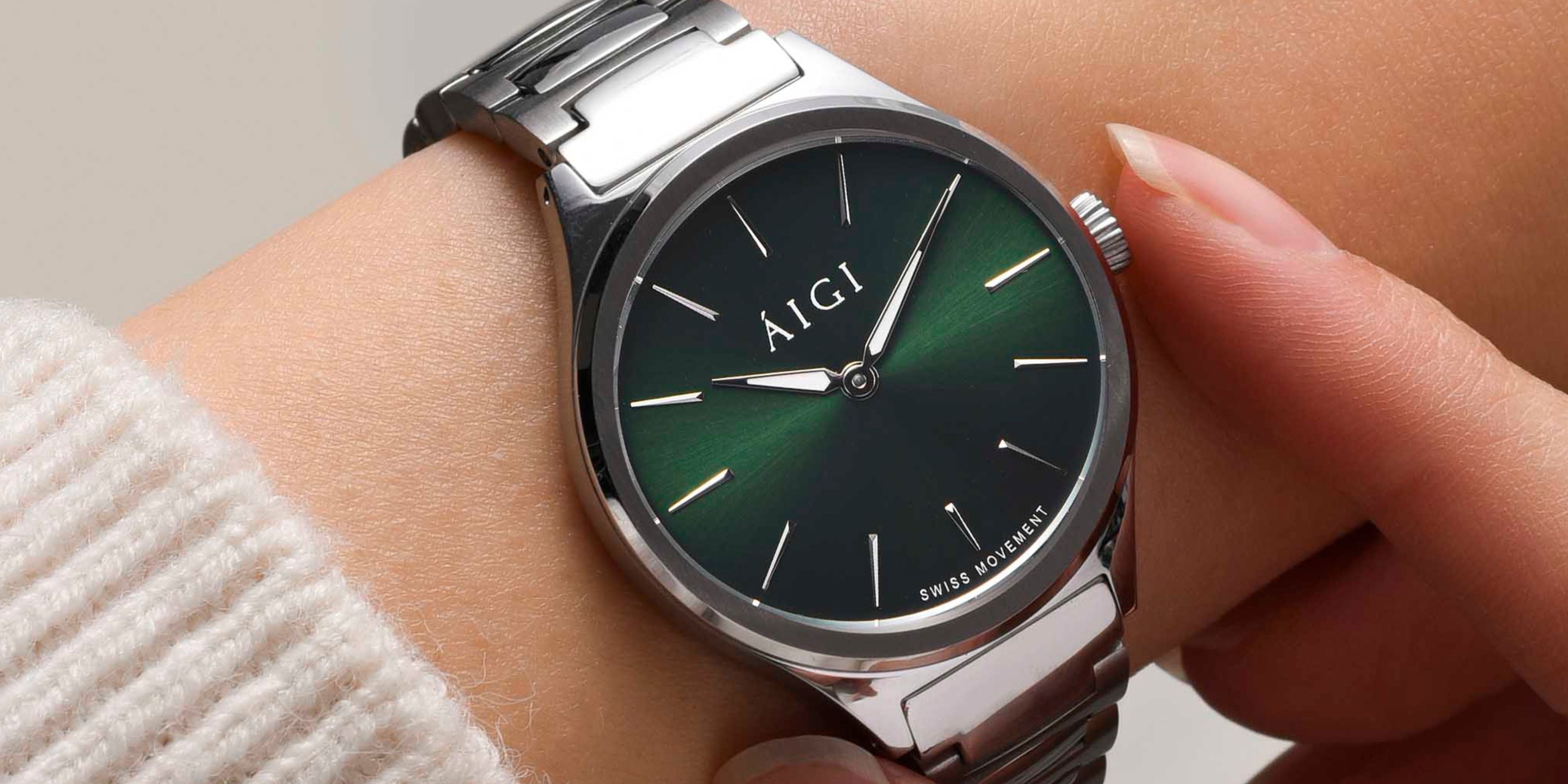
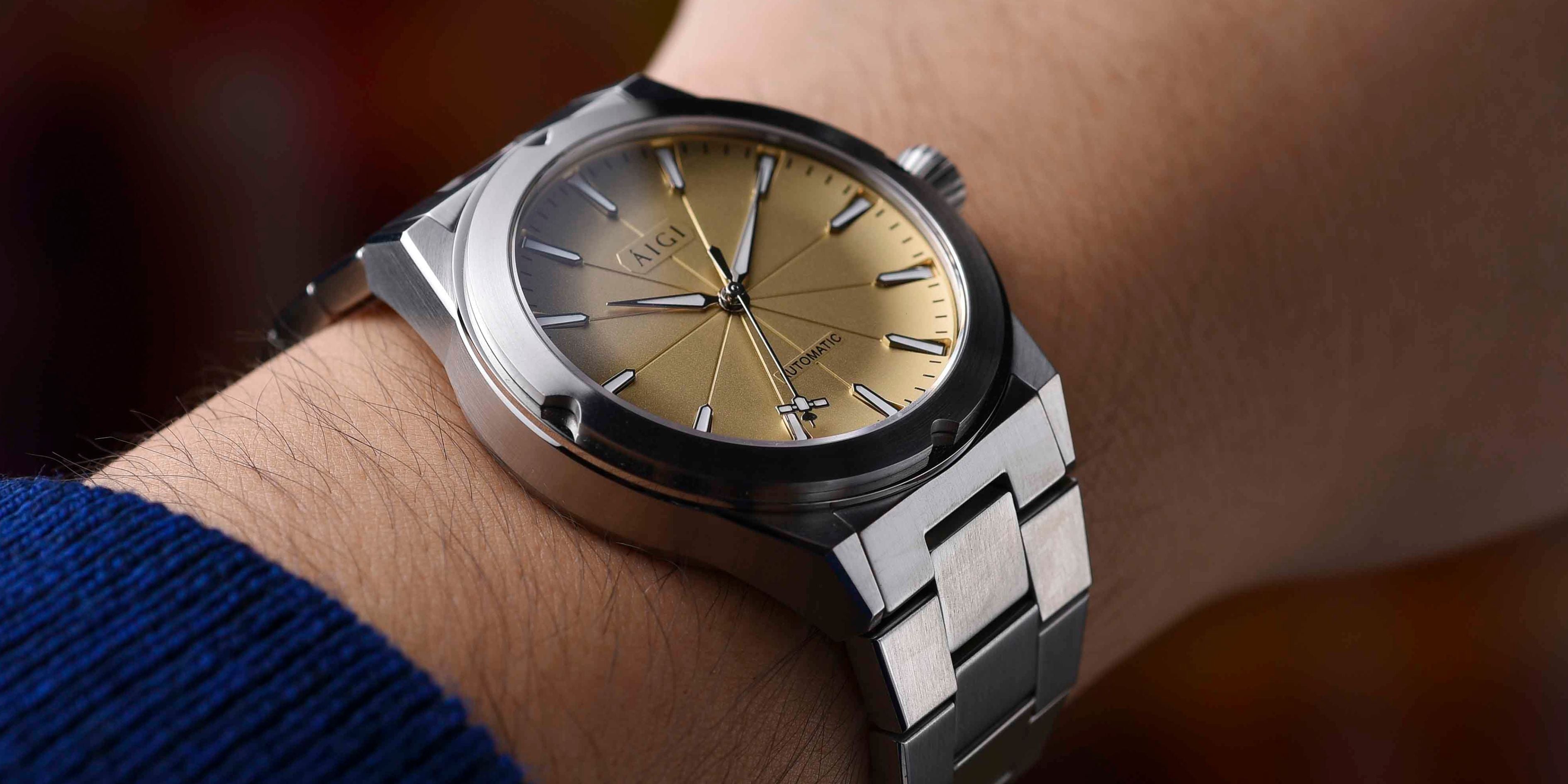
If you regularly deal with more than one time zone — whether for work, travel, or family abroad — a dual time zone automatic watch is one of the most practical complications you can wear. Unlike constantly checking your phone, a mechanical dual-time watch keeps both times visible, intuitive, and always on your wrist.
At its core, a dual time zone automatic watch combines traditional mechanical watchmaking with real-world functionality. And when executed properly, it becomes more than a tool — it becomes part of how you structure your day.
What Is a Dual Time Zone Automatic Watch?
A dual time zone automatic watch displays two different times simultaneously while being powered by a self-winding mechanical movement.
Typically:
-
The main hour and minute hands show local time
-
An additional 24-hour hand (GMT hand) displays a second time zone
-
The movement is powered by your wrist motion — no battery required
Most modern dual-time watches use a GMT-style layout, which is why the terms 'dual time' and 'GMT' are often used interchangeably.
How Dual Time Zone Watches Actually Work
There are two primary mechanical approaches, and this distinction matters to enthusiasts:
1. Office GMT (Caller GMT)
This is the most common and affordable solution, used in movements like the Seiko NH34.
-
The GMT hand adjusts independently
-
The main hour hand stays fixed
-
Ideal if you mostly track a second time zone (home, office, clients)
-
Simple, robust, and cost-efficient
This setup is perfect for users who don’t cross time zones frequently, but want a constant reference point.
2. True GMT (Traveler GMT)
Found in higher-end movements like the Miyota 9075 or Rolex GMT calibers.
-
The local hour hand jumps independently
-
GMT hand remains fixed to home time
-
Best for frequent travelers
True GMT movements are mechanically more complex — and significantly more expensive.
Both systems are valid. The right one depends on how you actually use the watch.
Why Choose an Automatic Dual Time Watch?
-
Practical Clarity
Seeing two time zones at a glance removes mental friction. Whether you’re coordinating meetings or calling family abroad, the information is always there.
-
Mechanical Craftsmanship
Automatic GMT watches showcase mechanical problem-solving — adding function without electronics. For many enthusiasts, this is the appeal.
-
Professional Presence
A men’s dual time zone automatic watch signals intent. It’s subtle, but knowledgeable collectors notice.
-
Independence From Technology
No apps. No charging. Just gears, springs, and motion.
Who Benefits Most From Dual Time Watches?
-
Professionals working across regions
-
Remote teams with international colleagues
-
Military & aviation users who rely on UTC references
-
Watch enthusiasts who appreciate functional complications
-
Collectors building a versatile rotation
Choosing the Best Dual Time Zone Automatic Watch
-
Movement quality matters
Japanese movements like Seiko and Miyota offer excellent reliability. Swiss alternatives add refinement — often at a higher cost.
-
Legibility is non-negotiable
Clear hands, strong lume, and a readable 24-hour scale are essential.
-
Case profile
A thin automatic watch wears better daily, especially under a shirt cuff.
-
Build quality
Sapphire crystal, stainless steel, and proper water resistance ensure longevity.
Styling a Dual Time Watch
Dual-time watches are surprisingly versatile:
-
Sporty GMTs work well on bracelets or rubber
-
Cleaner designs transition easily into office wear
-
A well-sized automatic watch for men becomes a daily companion, not just a travel tool
Final Thoughts
A dual time zone automatic watch isn’t about showing off—it’s about control, clarity, and craftsmanship. Whether you choose an office GMT or a true GMT, the value lies in how seamlessly it integrates into your life.
When done right, it’s one of the most useful mechanical complications you can own.